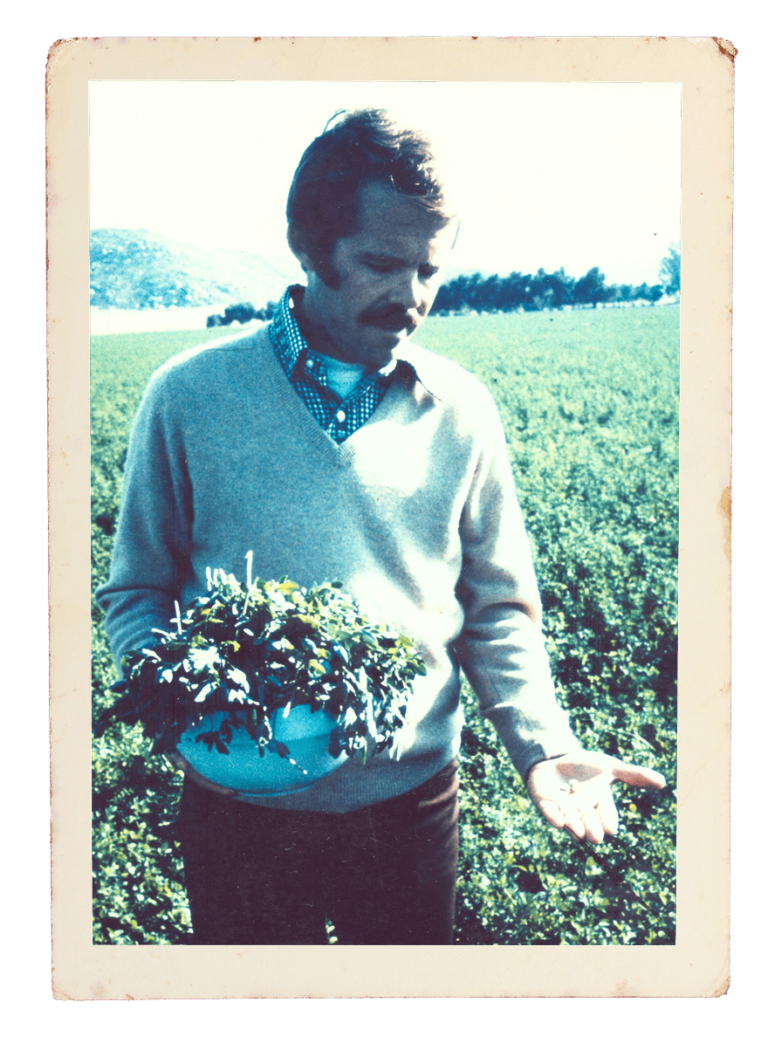
My father first grew alfalfa in the 1930s because he was looking for the purest, most nutritious botanicals. That same commitment to sustainable farming still guides how we grow today—and how we’ll keep growing for generations to come.
Finding sanctuary in nature allows us to reconnect with something much larger than ourselves—the cycle of life, seasonal renewal, and the natural abundance that has sustained us for generations.
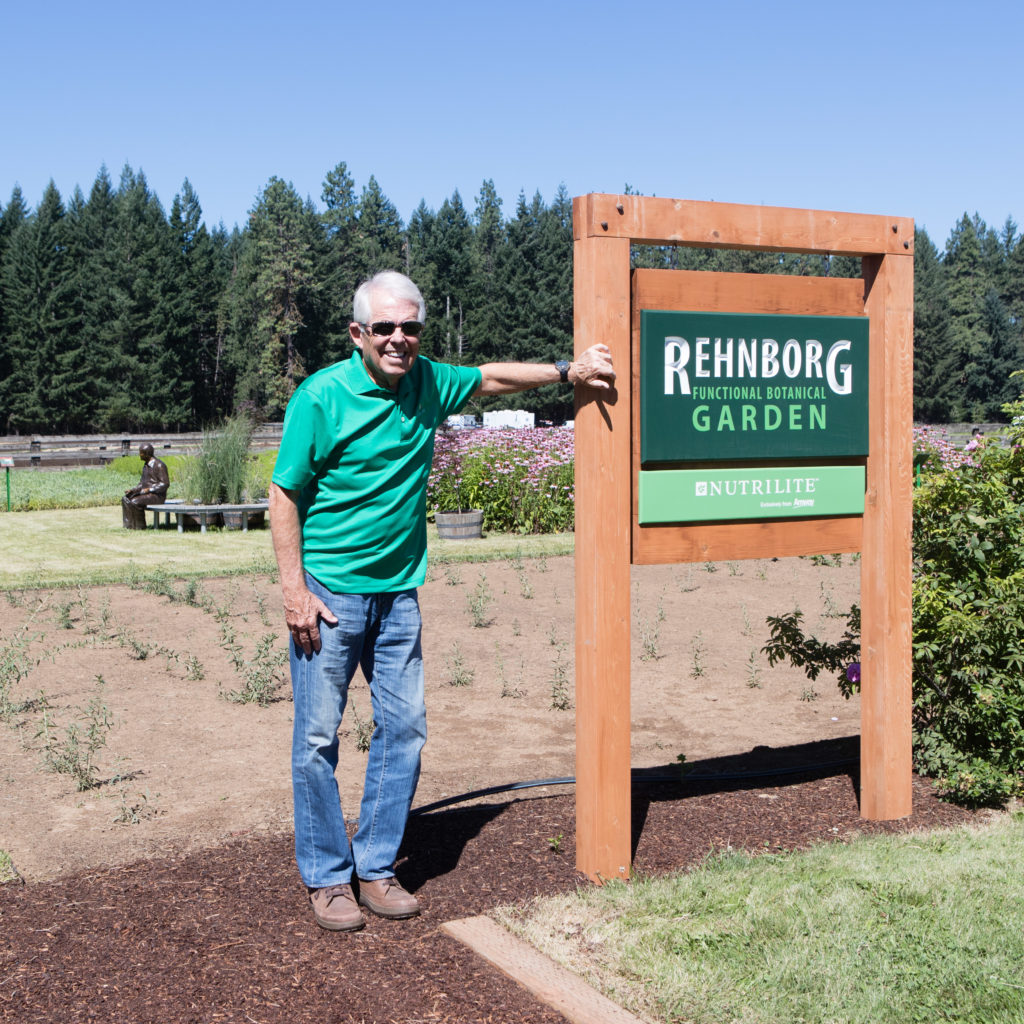
Dr. Sam at Rehnborg functional botanical garden; Trout Lake Farm, Wash., July 2017.
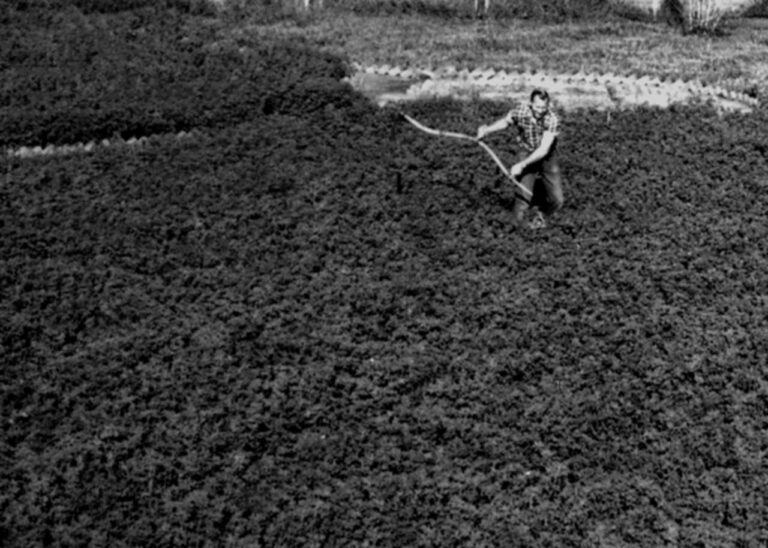
In our alfalfa field; circa 1980
Find more stories on my blog
Health & Wellbeing
Product of the product
Personal wellbeing isn’t just about you or me. It’s about the people around us, our family, friends and the greater community. Taking care of yourself, nurturing your connection with nature, and making an effort to transform challenges into opportunities, will help lead us to a future where we can all happily coexist.
Wellness has always been central to my story. When my father, Carl F. Rehnborg, founded Nutrilite in 1934, his goal was to help people everywhere take responsibility for their health, their wealth, and the planet. Even then, he knew that all these things were interconnected. His vision shaped my own path—a journey grounded in curiosity, science, and a passion for helping others live well.
Nutrilite is so much more than a plant-based supplement brand – it is a way of life that has stood the test of time. With a passion centered on health + wellbeing, Amway is the world’s largest direct selling company*. It spans six continents with a presence in 100+ countries and territories.
* Source: Euromonitor International Ltd; Vitamins and Dietary Supplements, World GBN, Retail Value RSP, % breakdown, 2023 data based on custom research conducted April – August 2023.
There’s a long history of farming innovation at Nutrilite. It started when my father, Carl F. Rehnborg, began growing alfalfa in the 1930s before we even knew to call it organic. He was looking for the purest, most nutritious botanicals, and he already knew that they needed to be grown sustainably and naturally, without any synthetic fertilizers or chemicals. That same belief continues to guide us today.