
The longer I live, the more I notice patterns that exist both in the world around me, and within my body. Over time, I’ve learned to pay attention to how my body responds to care, and how it quietly keeps track of the choices I make each day. And if there is one system that reflects this reality more clearly than any other system, it is the gut microbiome.

The Gut is an Ecosystem, it’s not a Machine
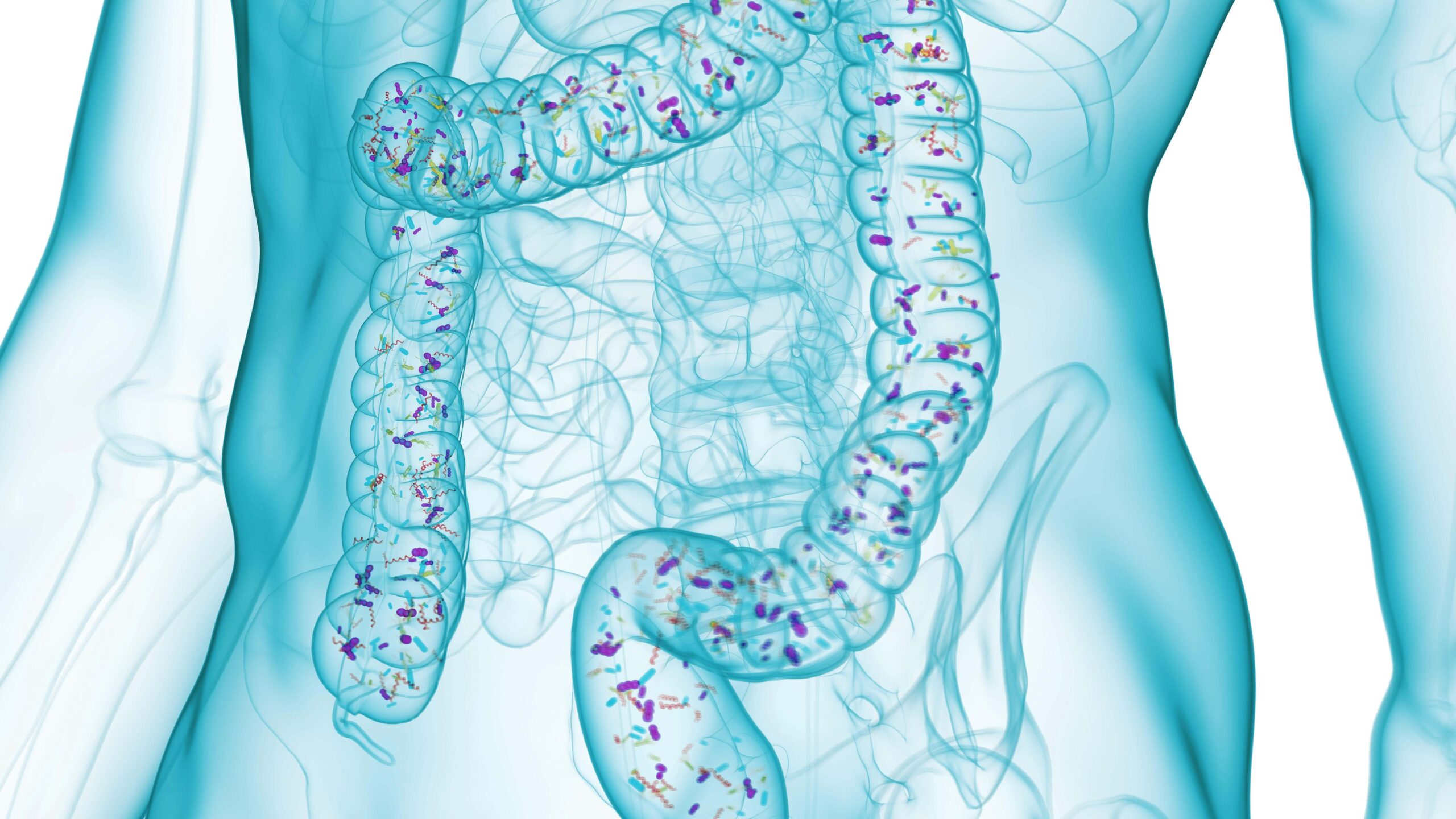
Our guts have always been this way. We just haven’t fully understood how important our gut health is, and how it functions almost as a second brain. There are trillions of microorganisms living within us, responding daily to what we eat, how we move, how we sleep, and how we handle stress. And modern science suggests they are not passive. Scientists believe they participate directly in our wellbeing.
When we talk about our gut health, we usually talk about it in terms of balance.
An important thing to consider with gut health is that we can’t change our genetics, but we can promote balance in our microbiome. It starts with us.
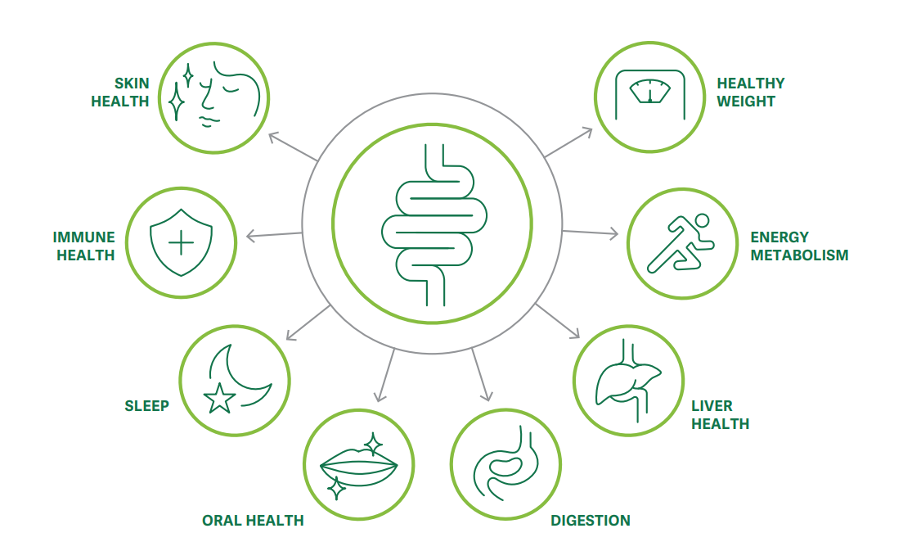
Why Gut Health Extends Beyond Digestion
When the gut microbial environment is balanced and well supported, digestion works smoothly. When that balance is disrupted, the body often signals with occasional bloating or digestive discomfort, sometimes accompanied by transient fatigue, or a general sense that things are “off.”
Our intestinal lining serves as a selective barrier, deciding what enters circulation and what does not. There is a secret conversation happening between the gut and the nervous system. Emerging research suggests that our gut microbiome is associated with aspects of mood, cognitive function, and stress response.
Since the gut is closely connected to many functions throughout the body, keeping your gut healthy helps your body stay balanced overall. When your gut isn’t working, you might notice physical discomforts or just feeling “off.”
Habits That Quietly Support the Gut
Over the years, I’ve noticed that the gut responds best to habits that can be practiced consistently and without strain:
- Eating a wide variety of plant foods matters more than any single ingredient. Nutrient diversity feeds microbiome diversity.
- Fermented foods eaten regularly in the right amounts may help support microbial balance as part of a normal diet.
- Hydration is key for gut health. Drink at least half your body weight (lbs.) in ounces of water a day and consume high-water foods.
- Exercise and mindfulness help. Get your steps every day while trying to exercise at least 75 minutes per week. And try to practice mindfulness 1-2 times a day.
These habits are rather simple. And that is the point. You don’t need to do anything drastic to find an equilibrium.
Tending to a Relationship
At this point in my life, I no longer think of health as something simply to be optimized. I think of it as something to be thoughtfully tended to.
Our gut should be prioritized and respected because our gut health may affect other aspects of our overall health. It ebbs and flows with every choice we make. So, every day, you are planting something that can be tended to. With your food. With your habits. With your choices. Over time, your body reflects what you’ve been giving it.
So here is a simple invitation.
Pay attention to your body’s signals. Eat with care. Hydrate consistently. Move your body. Create space for recovery. You don’t have to be perfect, but you can try to be consistent.
While no single choice determines outcomes, cumulative daily behaviors play an important role in maintaining physiological balance. Supporting these habits over time can help the body adapt and function more effectively.
Here’s to your health!




One Response
You’re AMAZING Dr Sam!!!!!